The assignment
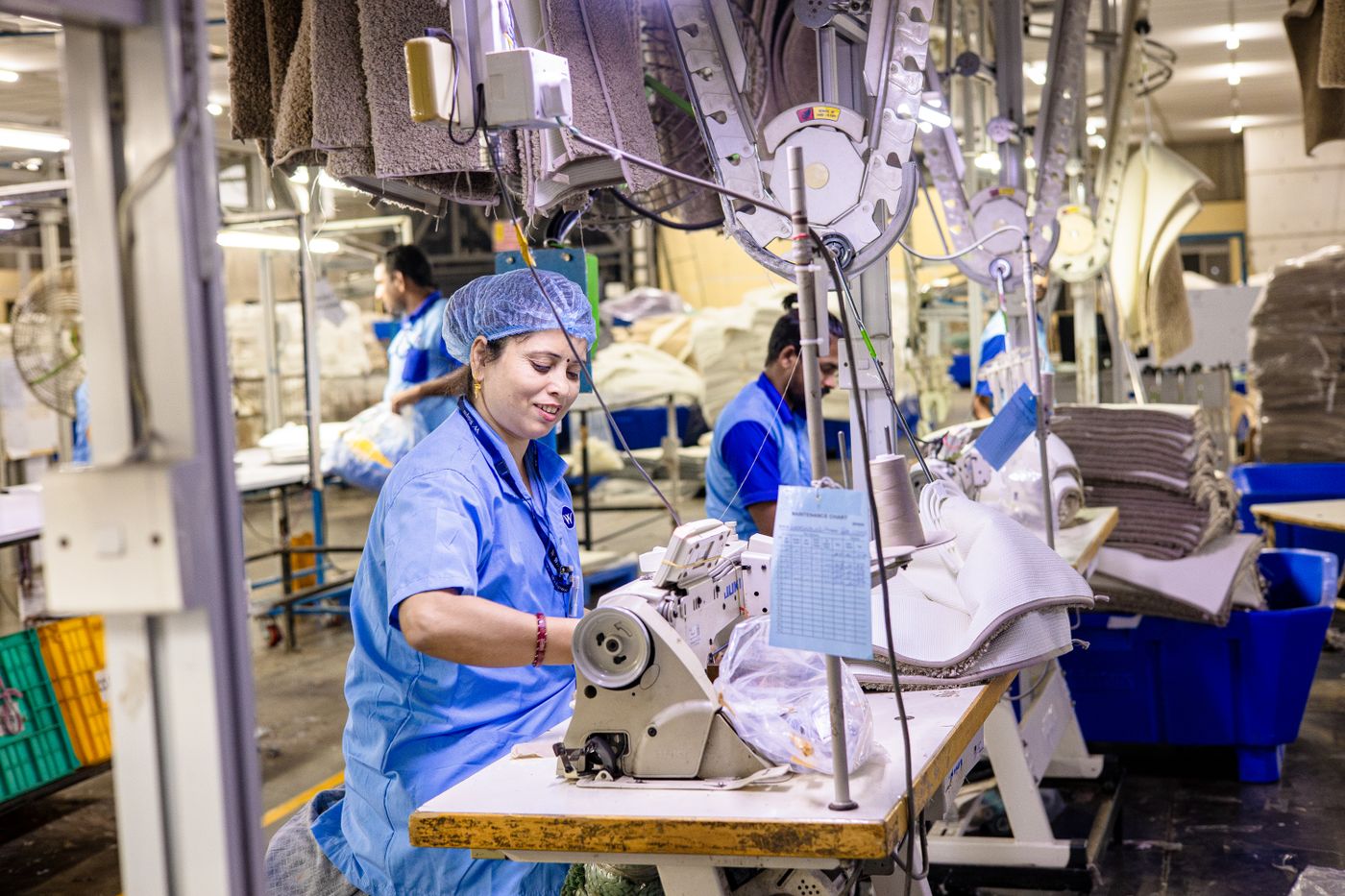
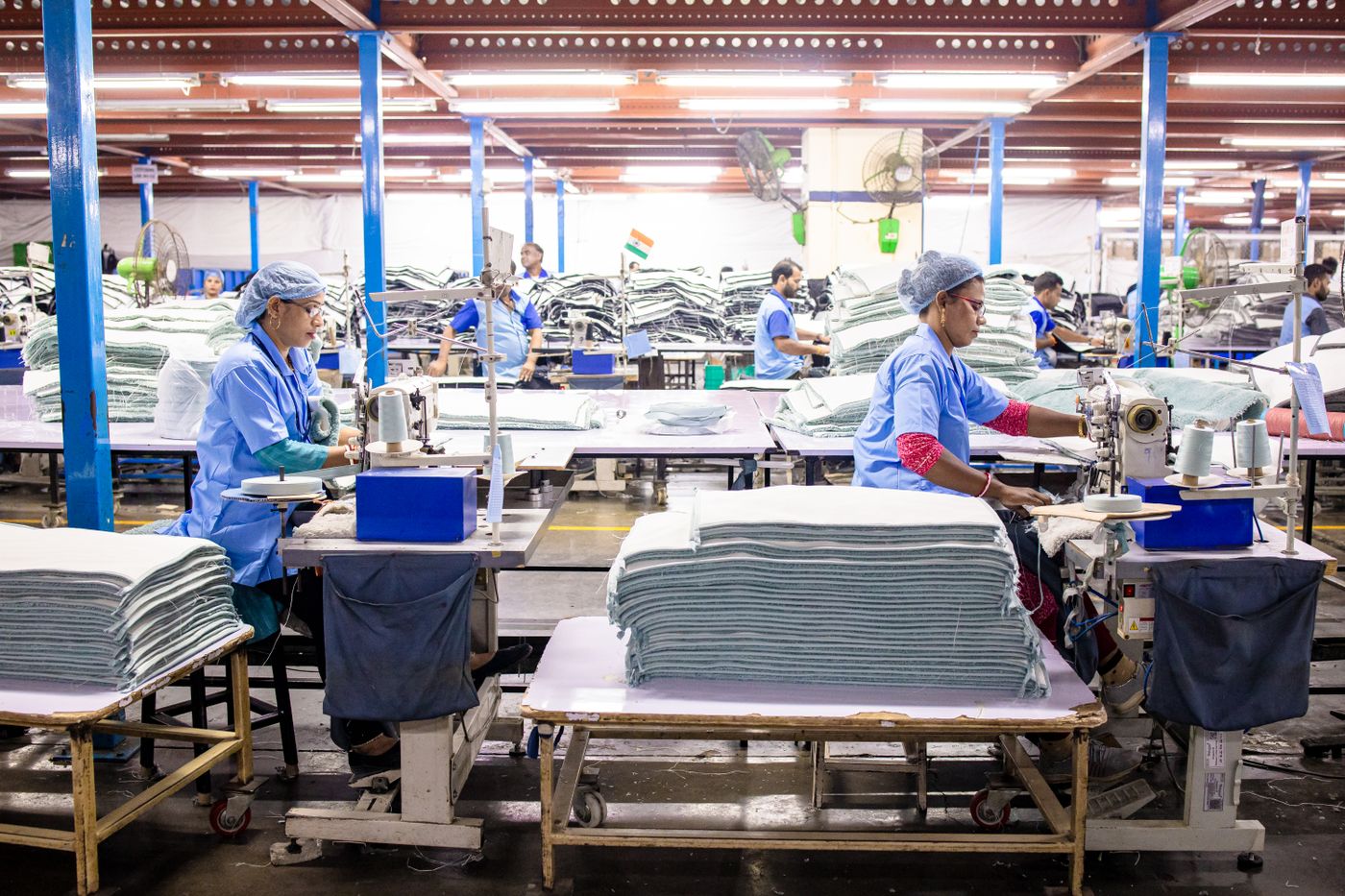
The dress retailed for $68 in Chicago and cost $4.10 in labor to make. Everyone in the supply chain could quote those two numbers; nobody could name the hands between them. The assignment was to follow one purchase order — style 4471, a summer dress — backward from an American checkout counter to the specific floor, line, and shift that sewed it.
Three weeks on the factory floor, arranged through the union rather than management, produced a dispatch built around eleven workers whose names the piece carries with their permission — and whose pay slips, checked against export manifests, anchor every figure in the story.
Approach & sourcing
Worker interviews happened off-site, after shifts, with a local labor organizer present and management never informed of the reporting. Every wage figure is documented from photographed pay slips; every production quota from line sheets kept by the workers themselves.
- Eleven named workers, all consented, all paid for their time at their overtime rate.
- Export manifests matched to purchase orders from three US retailers.
- Factory owners and all three retailers given two rounds of written questions.
What the file contained
The published dispatch carried a cost-breakdown graphic tracing the $68 retail price backward — fabric, freight, margin, and the $4.10 in labor — with each number footnoted to its document. A companion reader’s guide explained what the piece withheld: the factory’s name and the workers’ addresses, omitted after a documented risk assessment.
Results & impact
Two of the three retailers disclosed their tier-two supplier lists within four months — the first such disclosures in their histories — and the factory’s union local reported a 40 percent rise in membership inquiries. The dispatch is now assigned in supply-chain ethics courses at four universities.