The assignment
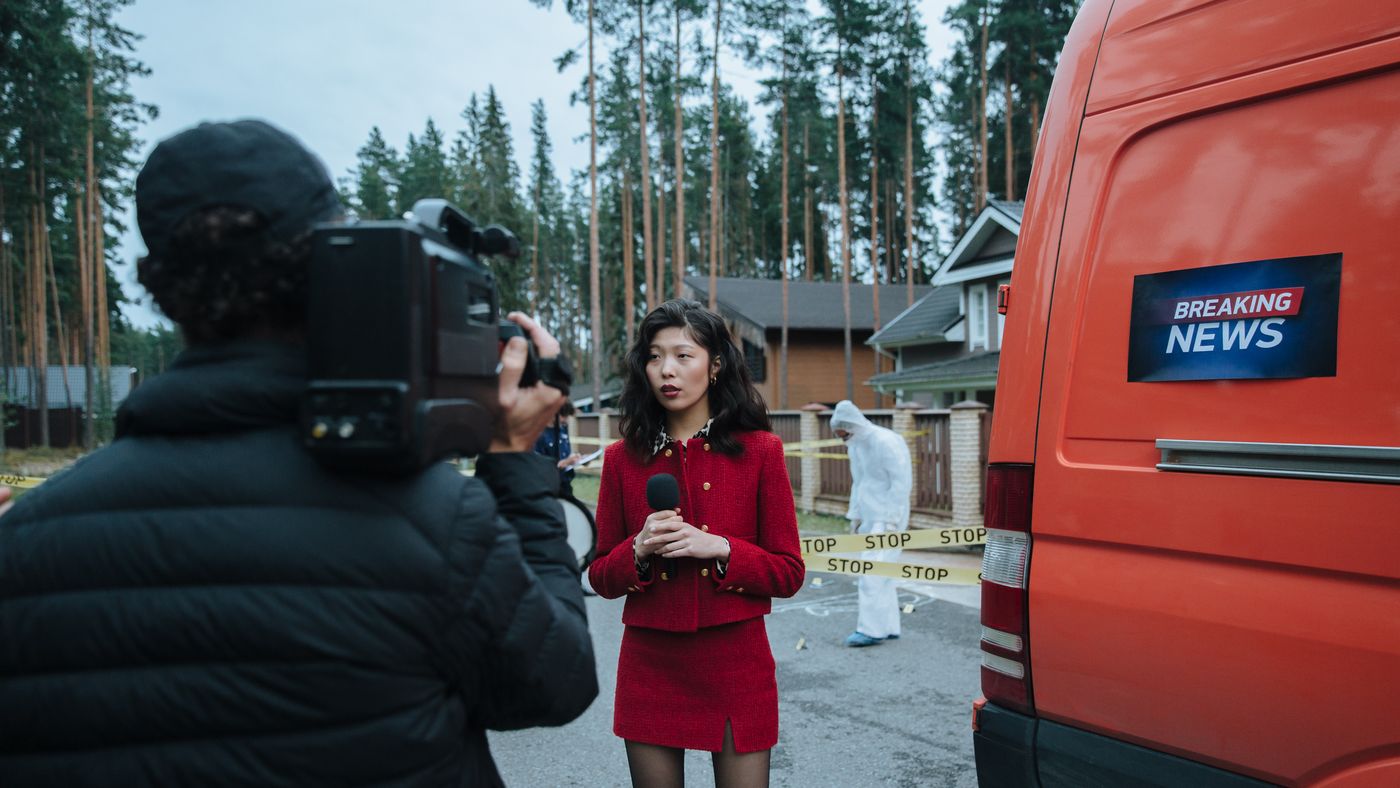
The last paved road into Varenka was taking artillery fire in six-minute intervals, and the only question the desk in Varenka would accept was whether civilians were still getting out. The assignment was simple to state and punishing to execute: ride the corridor, count who remained, and file before the light failed — three days running.
What published was not a single story but a timed sequence of nine dispatches, each carrying its own verification stamp: what was witnessed, what was relayed, and what could not yet be confirmed. The 4,200-word reconstruction gathers them with the decision log intact.
Approach & sourcing
Every casualty figure in the reconstruction is attributed to a named official source or to direct witness, with the time and place of observation appended. Unverified claims — including two widely shared videos later shown to be from a different front — were held, and the reconstruction explains exactly why each was held.
- Movement intervals timed against strike patterns with medics and drivers, never alone.
- All casualty counts dual-sourced: hospital intake plus on-scene observation.
- Satellite imagery used only to confirm road geometry, never as a substitute for witness.
What the file contained
Alongside the narrative, the case file holds the transmission log — timestamps for every filed paragraph against the events it described — so readers can see the lag between witnessing and publishing, and where caution cost speed. Two corrections issued during the week are reproduced with the original lines struck through, not silently replaced.
Results & impact
The dispatches were cited by three international aid coordinators in evacuation planning for the corridor, and the reconstruction is now taught in two journalism programs as a working example of verification under fire. The decision log — what was held, and why — drew more reader mail than the dispatches themselves.